


The Operational Leadership Experiences project archives firsthand accounts from military personnel who planned and supported operations in the Global War on Terrorism. It is an internal historical record, not publicity. Nobody is selling anything in it.
MAJ Cloyd Smith — his rank at the time; he retired a Lieutenant Colonel — was interviewed about serving as the operations officer (S3) on a Military Transition Team in Baghdad during 2006 and 2007, the mission of embedding with, training and fighting alongside Iraqi units.
He was teaching at West Point, and volunteered anyway
Smith was on the faculty at West Point when the transition-team billets came up. By his own account they were the assignments nobody wanted: a year long, living and fighting alongside Iraqi units, and outside the career path most officers were protecting. The call went out for artillery officers; they would take anyone who raised a hand.
He raised his hand. He had already tried once before to get to Iraq, and had stood down only because a colonel he respected asked him to.
What the interview shows that a press release cannot
Asked to assess the pre-deployment training his team received, he did not defend it. He called it weak and haphazard and said so on the record, to an Army historian, about the Army — including the part where his own institution got it wrong.
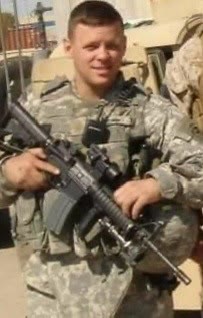
That is a specific habit of mind, and it is the one that matters in a courtroom: look at what actually happened, name the weakness before someone else does, and plan around it. A trial lawyer who cannot do that with his own case will be introduced to it by opposing counsel.
Interview with MAJ Cloyd Smith, Operational Leadership Experiences collection, Combat Studies Institute, Fort Leavenworth, Kansas, 15 May 2009. Unclassified. Supplied by the client. More on the attorney →